Equipment

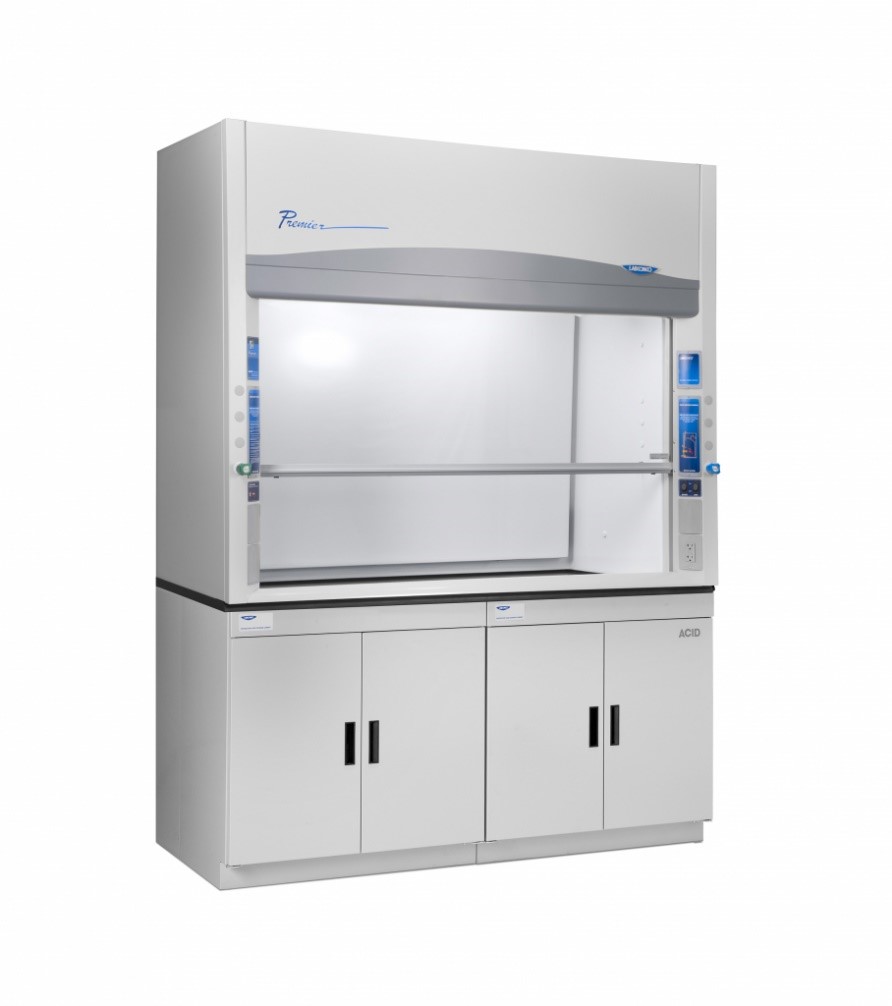
Chemical fume hoods are essential safety devices used in laboratories to protect students, faculty, and researchers from hazardous fumes, vapors, and airborne contaminants. By drawing in and filtering harmful substances, they help maintain a safe working environment while supporting a wide range of academic and research activities. At our university, fume hoods play a critical role in upholding safety standards, enabling innovation, and ensuring compliance with environmental and health regulations.

Accordion Group

Open All Tabs
  • Key Fume Hood Operating Procedures

    General Use

    • ð Always work with the sash at or below the recommended height (below 15”).
    • ð Keep your face outside the hood and avoid leaning into it.
    • ð Confirm the hood is operating properly before use (check airflow indicator or monitor).

    Airflow & Setup

    • ð Keep materials at least 6 inches inside the hood to ensure proper airflow.
    • ð Do not block vents or baffles with equipment or containers.
    • ð Arrange items to allow air to flow smoothly from the front to the back of the hood.

    Work Practices

    • ð Minimize rapid movements near the hood opening to avoid disrupting airflow.
    • ð Avoid overcrowding the hood—only keep necessary materials inside.
    • ð Use the hood only for procedures that require ventilation (not for storage).

    After Use

    • ð Remove all chemicals and equipment promptly after completing work.
    • ð Wipe down surfaces and clean up any spills.

    Maintenance & Reporting

    • ð Do not use the hood if airflow alarms are active or if it appears malfunctioning.
    • ð Report any issues to lab supervisors, facilities staff or EHS immediately.
    • ð Ensure regular inspections and certifications are up to date.

  • Fume Hood Testing & Support

    The Environmental Health and Safety (EHS) Office routinely tests and certifies fume hoods to ensure proper airflow and safe operation. If you have concerns about hood performance or need a re-evaluation please contact us.

    Chemical Safety Manager

    Adrian Hernandez Ferrer

    Phone: 786-972-8422

    Email: arh38@med.miami.edu


    Chemical Safety Specialist

    Gerda Zahran

    Phone: 305-343-3383

    Email: gxz225@miami.edu

  • Ductless Fume Hoods

    Ductless fume hoods are self-contained units that use filtration (such as carbon or HEPA filters) to capture and remove contaminants before recirculating air back into the room. They are typically used for low-risk applications where traditional ducted exhaust is not required.

    Usage Guidelines

    • ð Only use with approved chemicals compatible with the hood’s filters.
    • ð Check filter status regularly and replace as recommended.
    • ð Do not use for highly toxic, volatile, or unknown substances.
    • ð Keep the sash at the proper height and avoid blocking airflow.

  • Setting Up a New Fume Hood

    Proper setup of a new fume hood is essential to ensure safe and effective operation from day one. Our Environmental Health and Safety (EHS) Office works closely with departments, facilities, and vendors to support proper installation, testing, and commissioning.

    Key Considerations

    • ð All new fume hoods must be tested and certified by a qualified third-party contractor in accordance with recognized standards (ASHRAE 110 is the recognized as the best by UM EHS Office) prior to use.
    • ð Ensure professional installation in coordination with facilities and qualified vendors.
    • ð Verify that airflow monitoring devices and alarms are installed and functioning.
    • ð Train all users on proper operation, sash positioning, and safe work practices.
    • ð Avoid using the hood until it has been inspected and approved for use.

    To get started, please book a new fume hood setup consultation through our bookings link.

Top