Report any fire safety hazards to firesafety@miami.edu.
Fire hazard identification involves recognizing potential sources of fire and conditions that could lead to a fire. This process typically includes:
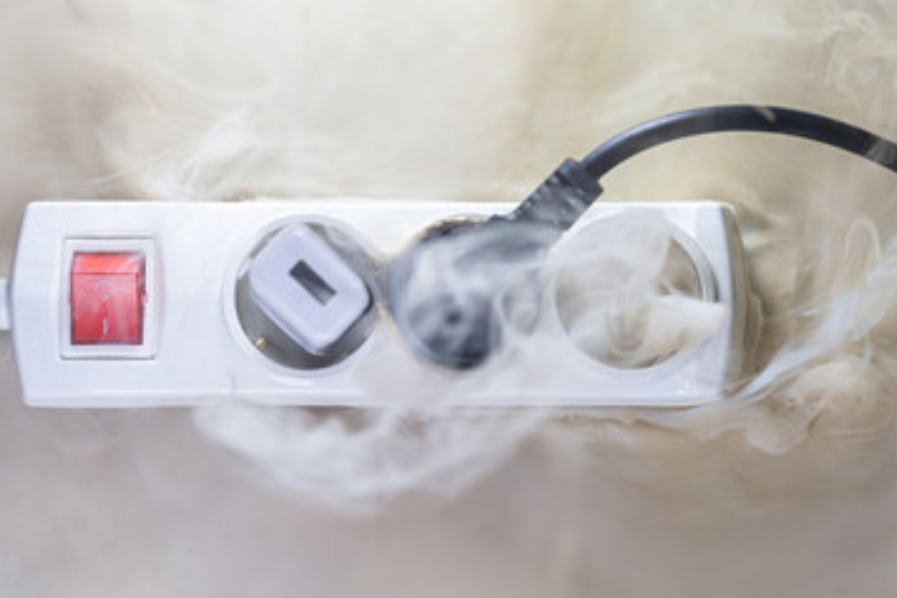
- Identifying Ignition Sources: Spotting items or activities that could start a fire, such as faulty electrical wiring, open flames, or hot surfaces.
- Assessing Flammable Materials: Recognizing materials that can easily catch fire, including chemicals, paper, and textiles.
- Evaluating Work Practices: Reviewing procedures and behaviors that might increase fire risk, such as improper storage of flammable substances or unsafe use of equipment.
- Inspecting the Environment: Checking for environmental factors that could contribute to fire spread, like poor ventilation or cluttered spaces.
- Documenting Findings: Recording identified hazards and recommending corrective actions to mitigate risks.
Additional Fire Safety Guidance
- Never tamper with fire‑safety equipment; doing so violates university policy and state law. Keep hallways, stairwells, and exits free of obstructions.
- Know at least two distinct exit routes in your building.
- Store flammable materials properly, especially in laboratories and workshops.
- Keep storage at least 2 feet below the ceiling in non-sprinkled areas and at least 18 inches below the sprinkler heads in sprinkled areas.
- Avoid leaving unwanted items in hallways. Contact the Surplus Property Department to schedule a pickup surplusproperty@miami.edu
- Check all electrical equipment regularly for wear and tear. Any equipment with damaged cords or plugs must be removed from service and reported for repairs or replacement.