Fire Safety Training

The Fire Safety team offers trainings to acquaint campus residents, employees, and visitors with a basic understanding of the fire safety standards and expectations for work and life at the University of Miami.

The training information below details the overall course subjects available, the versions of that training currently offered, the format to complete this training, how frequently it should be taken, and who is required to complete the training.

Generally classroom sessions are offered [blank], but webinars can be set up by request if you are unable to attend one of the existing classroom sessions. To request a training session, please contact Christine Daley.

Training Subjects

Open All Tabs
  • Fire Safety Awareness

    Fire safety awareness training is designed to educate individuals on how to prevent, respond to, and escape from fire-related emergencies. The training typically covers: 

    1. Fire Prevention: Understanding common fire hazards and how to minimize risks, such as proper storage of flammable materials and safe use of electrical equipment.
    2. Emergency Response: Learning the correct procedures to followin the event of a fire, including how to use fire extinguishers, activate fire alarms, and follow evacuation plans. 
    3. Evacuation Procedures: Knowing the designated escape routes, assembly points, and the importance of staying calm and orderly during an evacuation.
    4. Fire Safety Equipment: Familiarizing withdifferent types of fire safety equipment, such as smoke detectors, fire alarms, and fire extinguishers, and understanding their proper use and maintenance. 

    Retaken every:
    • 3 years

    Required for anyone who works with: 
    • Biological materials including: bacteria, human material, animals, plants, viruses, mammalian cell lines, prions, biological toxins, etc. 

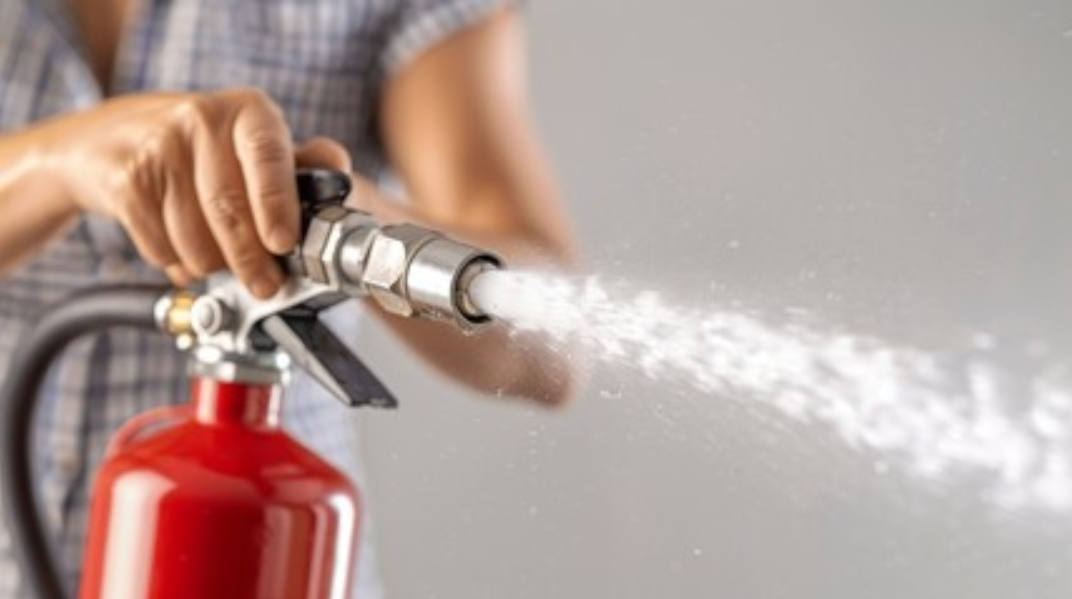
  • Practical Fire Extinguisher

    Practical fire extinguisher training provides hands-on experience in using fire extinguishers effectively. This training typically includes: 

    1. Types of Fire Extinguishers: Understanding the different classes of fire extinguishers (A, B, C, D, and K) and their specific uses.
    2. Operation Techniques: Learning the PASS method (Pull, Aim, Squeeze, Sweep) tooperate a fire extinguisher correctly. 
    3. Safety Precautions: Emphasizing the importance ofmaintaining a safe distance, assessing the fire size, and knowing when to evacuate instead of fighting the fire.

    Retaken every:
    • 1 year

    Required for anyone who works with: 
    • Recombinant and/or synthetic nucleic acid molecules 

  • Evacuation Drills

    Fire drills are practice exercises designed to prepare individuals for an emergency evacuation in the event of a fire. These drills typically involve: 

    1. Alarm Activation: Simulating the sound of a fire alarm to signal the start of the drill.
    2. Evacuation Procedures: Practicing the orderly and efficient evacuation of a building, following designated escape routes and assembly points.
    3. Role Assignments: Ensuring that everyone knows their specific roles and responsibilities during an evacuation, such asassisting those with disabilities or accounting for all personnel. 
    4. Safety Checks: Verifying that all fire safety equipment, such as alarms and emergency exits, are functioning correctly.
    5. Debriefing: Reviewing the drill toidentify any issues or areas for improvement, ensuring everyone understands the importance of fire safety protocols. 

    Retaken every:
    • 1 year

    Required for anyone who works with: 
    • Human blood, tissues, cell lines, or other potentially infectious materials from a human source, such as on an IRB protocol

  • Hot Works Permits

    Hot work permit training educates individuals on the safe execution of tasks that involve open flames, sparks, or heat, such as welding, cutting, or grinding. This training typically includes: 

    1. Permit Requirements: Understanding when a hot work permit is necessary and the process for obtaining one.
    2. Risk Assessment:Identifying potential hazards associated with hot work and implementing control measures to mitigate risks. 
    3. Safety Precautions: Learning about fire watch duties, proper ventilation, and the use of personal protective equipment (PPE).
    4. Emergency Procedures: Knowing how to respond to fire incidents, including the use of fire extinguishers and evacuation protocols.
    5. Documentation: Ensuring all hot work activities are properlydocumented and permits are displayed at the worksite. 

    Retaken every:
    • Once (every 3 years recommended)

    Required for anyone who works with: 
    • Shipping hazardous materials to locations outside of the University of Miami
      • All shippers regardless of hazard must complete Shipping of Dangerous Goods training.
      • Those shipping biological materials must complete Shipping of Biological Materials in addition to the Shipping of Dangerous Goods training.

Top